


Jachetă scurtă impermeabilă Luna 3L pentru femei – Croială talie | Ventilații
652,00 RON
Preț regulat 489,00 RON|
Țesătură |
Stratificat în 3 straturi Țesătură Rudolf® rezistentă la trei factori |
| Compoziție material |
80% Poliamidă, 20% Elastan
|
|
Impermeabil |
10.000 mm |
|
Respirabilitate |
10000 g/m²/24h |
| căptușeală | Niciunul |
| Izolație |
Niciunul
|
| Bandă de sigilare a cusăturilor | Cusături complet etanșe |
| Grosime |
Ușor
|
|
Țesătură |
Stratificat în 3 straturi Țesătură Rudolf® rezistentă la trei factori |
| Compoziție material |
80% Poliamidă, 20% Elastan
|
|
Impermeabil |
10.000 mm |
|
Respirabilitate |
10000 g/m²/24h |
| căptușeală | Niciunul |
| Izolație |
Niciunul
|
| Bandă de sigilare a cusăturilor | Cusături complet etanșe |
| Grosime |
Ușor
|
652,00 RON
Preț regulat 489,00 RON|
Țesătură |
Stratificat în 3 straturi Țesătură Rudolf® rezistentă la trei factori |
| Compoziție material |
80% Poliamidă, 20% Elastan
|
|
Impermeabil |
10.000 mm |
|
Respirabilitate |
10000 g/m²/24h |
| căptușeală | Niciunul |
| Izolație |
Niciunul
|
| Bandă de sigilare a cusăturilor | Cusături complet etanșe |
| Grosime |
Ușor
|
|
Țesătură |
Stratificat în 3 straturi Țesătură Rudolf® rezistentă la trei factori |
| Compoziție material |
80% Poliamidă, 20% Elastan
|
|
Impermeabil |
10.000 mm |
|
Respirabilitate |
10000 g/m²/24h |
| căptușeală | Niciunul |
| Izolație |
Niciunul
|
| Bandă de sigilare a cusăturilor | Cusături complet etanșe |
| Grosime |
Ușor
|

Naked Feel, Cool Protect
This jacket features a lightweight, barely-there sports fabric that is soft and skin-friendly, designed specifically for summer outdoor activities. It offers high breathability, four-way stretch, and sun protection — keeping you cool, light, and comfortable.
Seam-sealed
Seam-sealed design allows you to wear it in light rain without worrying about water seeping through.


Stay Dry
Product Shots

Hooded design

Mesh lining

Fully taped seams
Model Shots


Recenzii clienți
Face exact ce spune. Blochează ploaia, iar orificiile de ventilație din spate funcționează excelent. Ușor și confortabil.
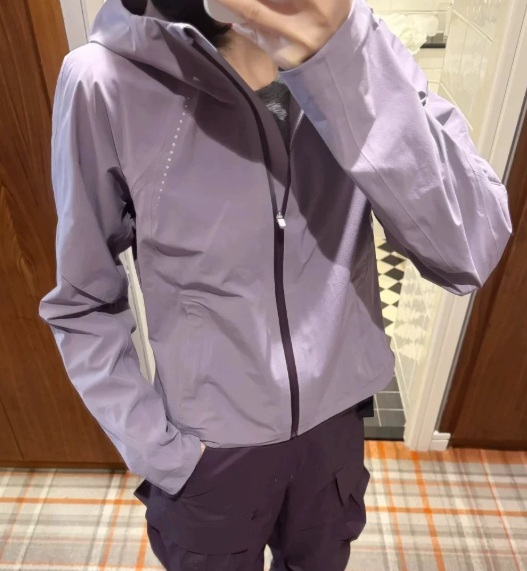
Face exact ce spune. Blochează ploaia, iar orificiile de ventilație din spate funcționează excelent. Ușor și confortabil.

Îmi place că se strânge și la talie. Arată flatant și se simte moale. Sincer, o achiziție excelentă.
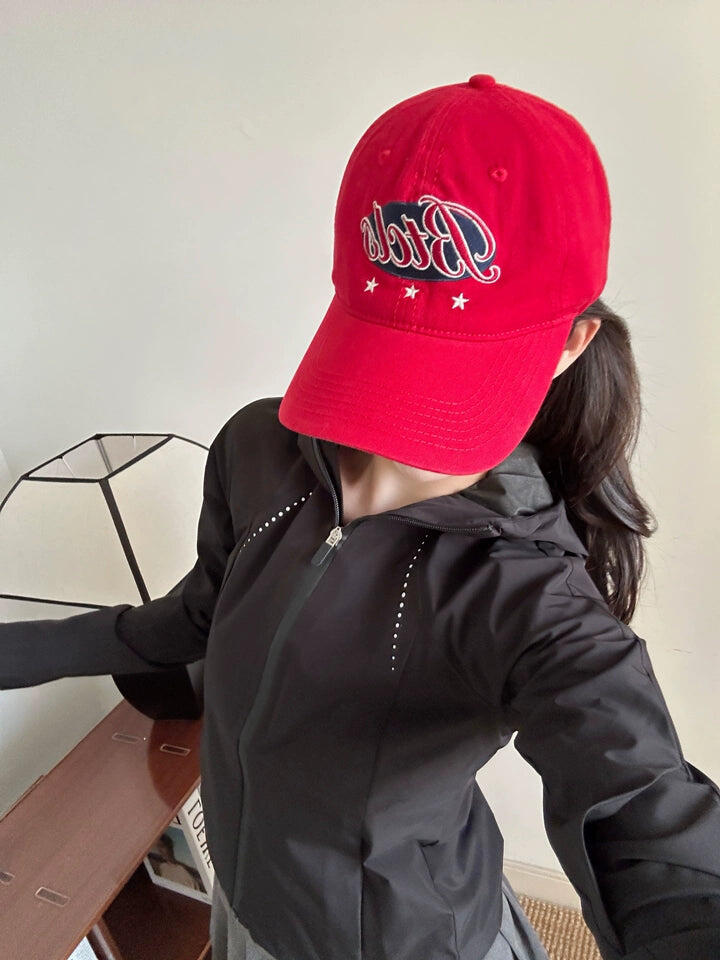
Îmi place că se strânge și la talie. Arată flatant și se simte moale. Sincer, o achiziție excelentă.
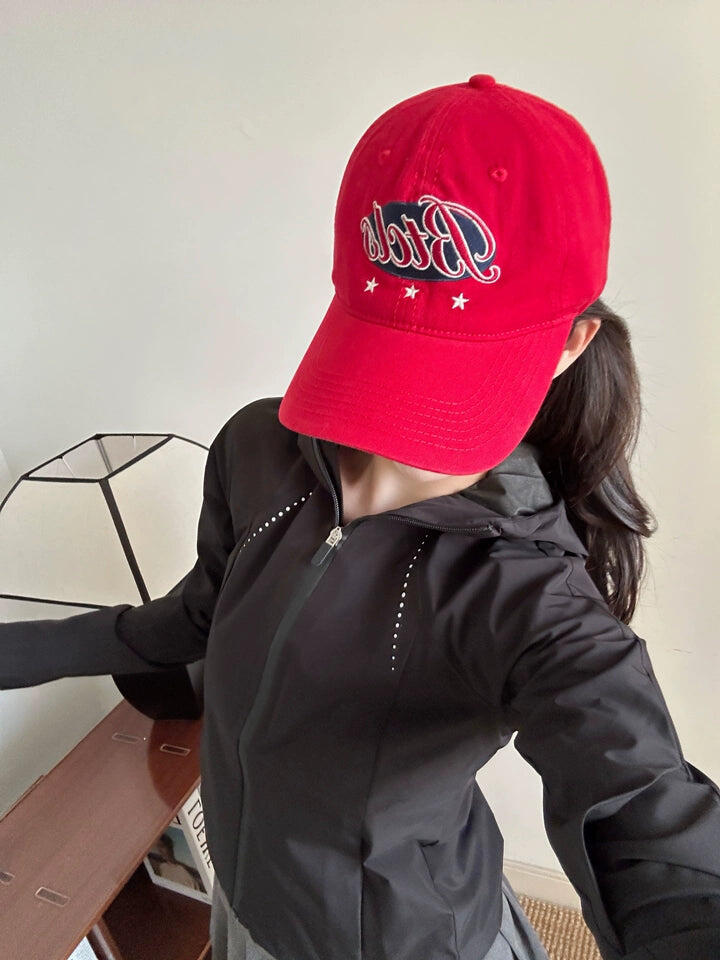
Culoarea este puțin mai aprinsă decât în poze, dar pare mai vie.
Recenzii în alte limbi
Hard Shell VS Soft Shell

What Do 3L & 2L Means?

2L
✅
✅
❌
separate inner lining
★★★☆☆
★★★☆☆
★★★☆☆
★★★★★
★★★★★
Best Budget Choice
Casual Wearing, general outdoor activities,

3L
✅
✅
✅
bonded as an unit
★★★★★
★★★★★
★★★★★
★★★☆☆
★★★☆☆
Expensive but Worth It
mountaineering, extreme conditions
Common Misconceptions
3L jackets combine outer fabric, waterproof membrane and backing layer via thermal bonding with no loose lining. 2L jackets adopt a separate lining detached from the outer fabric.
Softshells are also made of water‑resistant fabrics with a DWR coating, and some feature fully taped seams. Unlike hardshell jackets, they lack a dedicated waterproof membrane, resulting in slightly lower waterproof performance. Still, they effectively repel light daily rain, with water beading and rolling off the surface, delivering reliable water‑repellent capability for everyday use.
Moisture vapor transmission refers to the fabric's ability to expel sweat vapor (perspiration) from the inside out – this is what keeps you from feeling clammy during exertion. Air permeability, on the other hand, refers to the direct passage of air molecules (wind) through the fabric.
A high level of air permeability can indeed compromise waterproofness, as larger pores that let air through may also allow liquid water to penetrate under pressure.
What the outdoor industry commonly calls "breathability rating" (e.g., on a jacket's spec sheet) is almost always Moisture Vapor Transmission Rate (MVTR) – not air permeability.
Not exactly. These ratings describe the raw fabric's lab performance, not the finished jacket's real-world capability.
The overall waterproofness of a jacket also depends on seam taping quality, waterproof zippers, and construction details – a high‑HH fabric is useless if water leaks through the seams.
Similarly, perceived breathability (comfort) is influenced by mechanical venting features (e.g., pit zips), the inner liner material, and overall fit.
So always consider the jacket's design as a whole, not just the headline numbers.